The Liberty wreck is the Island of the God’s best known dive. It enjoys an international reputation and divers travel great distances to experience it. Basically it is indeed “world famous”… But just how good is it, what is it like to dive and should you make that long journey?
The Liberty Wreck – How Good Is It?
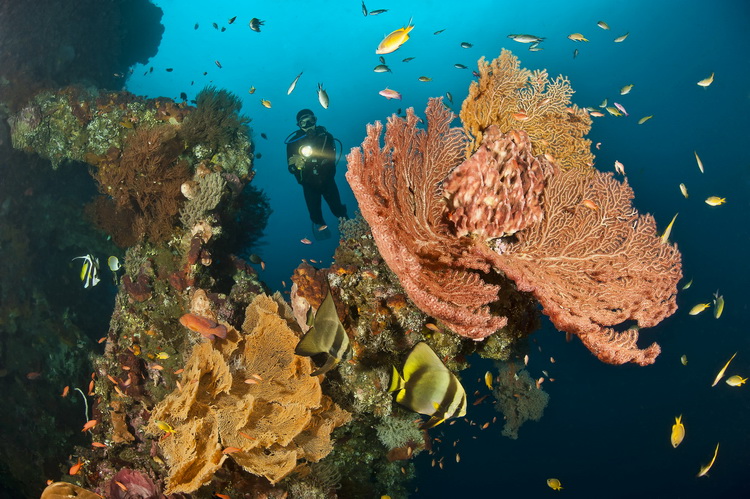
A tough question and the honest answer is that it depends what you are looking for… Potentially it is a phenomenal dive because at 120m long, a beam that was 17m and a draft of 24m it is a large area of wreckage. One that offers many hiding places, habitats and great shelter for the myriad local marine life – both big and small…
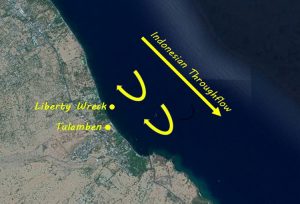 But, most importantly, it is swept by eddies of the incredible Indonesian Throughflow as it streams down the north-east coast of Bali.
The Throughflow is truly the life-force behind the amazing bio-diversity of the Indonesian archipelago.
It is the basic mechanism for distributing the rich nutrients, planktonic eggs and larvae of the Indo-Pacific region.
And it is those eddies that turned the Liberty wreck in to its own spectacular ecosystem. One can only imagine just how breathtaking the whole thing was when first dived back in 1979!
The Liberty Wreck – Too Many Divers…
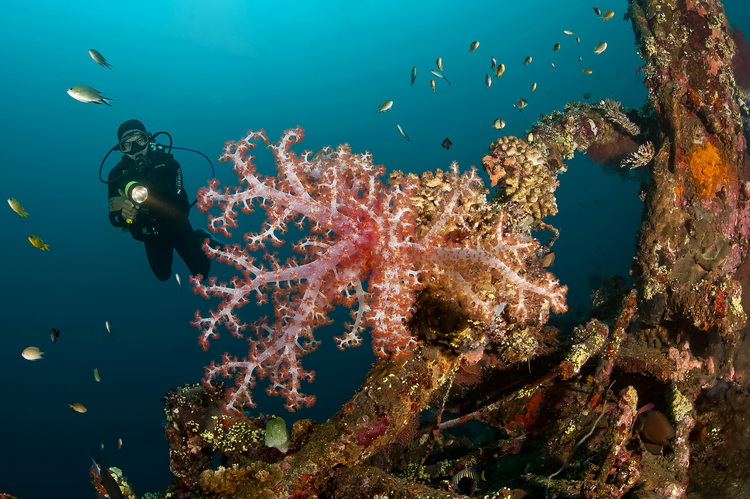
But… So popular has the Liberty wreck become that much of what made it so incredibly photogenic has been destroyed. With most of the fragile slow-growing hard coral trees, beautiful soft corals and amazing gorgonian sea fans long gone. Destroyed by the hordes of careless divers with poor buoyancy skills. And over-zealous underwater photographers desperate for “that shot” to show on Facebook and Instagram!
That said, the basic mechanism that made the Liberty wreck what it was – the Indonesian Throughflow… Is still as rich and powerful as it always was and a phenomenal force of nature. And its eddies still wash through Tulamben Bay and over the wreck. Nourishing and sustaining the dynamic ecosystem that is the Liberty wreck.
So the brutal reality is that the Liberty’s ecosystem is just as vibrant and bio-diverse as it always was. It simply does not look as good as it used to!
The Liberty Wreck – Diving It
The first thing you need to know about diving the Liberty wreck is that it’s a shore dive. And, while entry into the water is a short stroll down the beach. As you will quickly notice, the beach is not sand. It consists of slippery volcanic pebbles which take some getting used to… And if there is any swell they can make that simple entry a little more difficult.
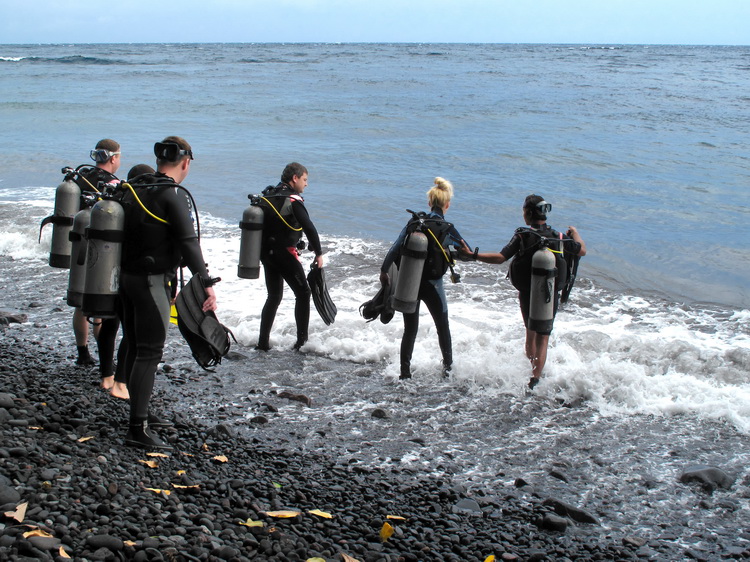
It’s not that big a deal on the beach itself. But in the water, trying to balance on one foot while putting your fin on the other… Well you get the picture, especially when there are some waves added to the equation…
Once fully kitted up though, actually diving the Liberty Wreck is quite straightforward. From the entry point on the beach the pebbles quickly turn into a black sand slope. And then at about 8m depth and you can normally see the outline of the stern.
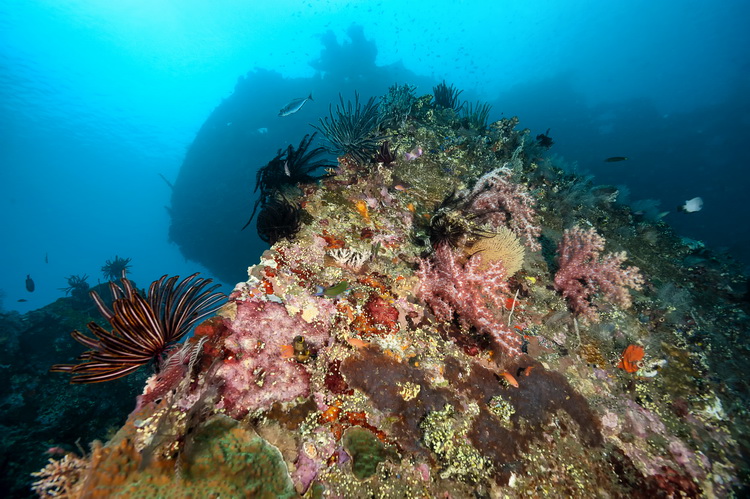
Initial impressions are typically somewhat negative because the wreck does not look much like a ship! Which is because it lays on its starboard side and you are looking at the bottom of the ship. What you will notice though is the rich marine growth that covers almost any exposed part of the Liberty wreck. Testament to the rich waters of the Indonesian Throughflow!
The Liberty Wreck – The Stern
There is a lot to see in and around the stern area of the Liberty wreck. But it’s probably where you will start and end your dive and is also the shallowest part of the wreck. So save it to the end of the dive and combine a little exploration with a deco stop.
Unless that is you want dedicate your dive to exploring the area. In which case you should follow the outline of the wreckage down to about 22m where the stern gun and its mounting lays in the sand.
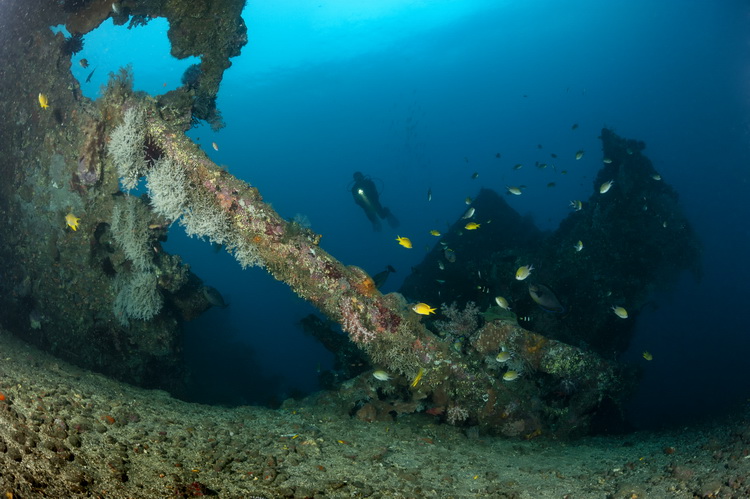
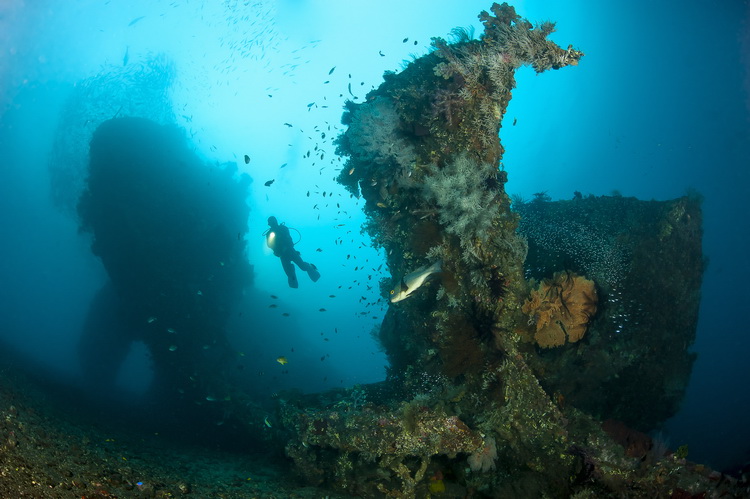
All the wreckage from the stern section is covered in a rich coating of marine growth. And you can easily spend a full dive exploring that wreckage and the marine life that has colonized it.
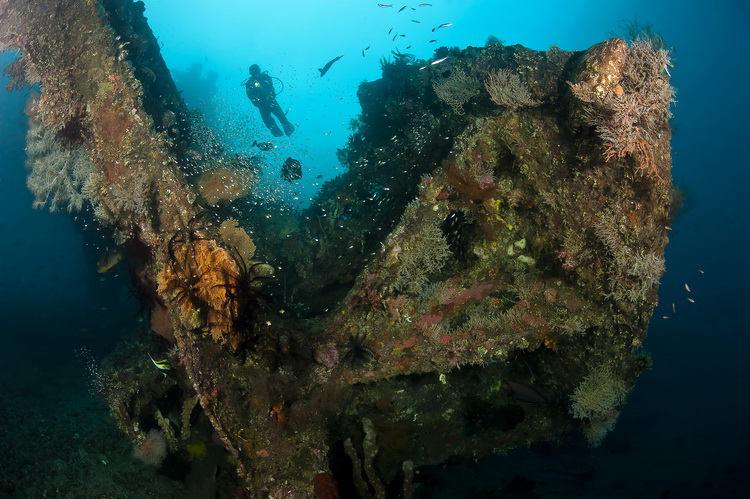
I think the stern area of the Liberty wreck is one of the most interesting parts of the whole site. The large structures offer some great wide-angle photo-opportunities – but you really need a good model to give them perspective… And there are endless nooks and crannies that offer lots of macro photography opportunities.
Plus don’t forget to look about in the rich, black volcanic sand as there is lots of life in it!
The Liberty Wreck – The Mid-Section
From the stern, follow the wreck until you see the remains of a winch and steel cables at about 25m. This is the start of what is often referred to as the “mid-ship mangle”. Which consists of the remains of the ship’s 4-cylinder Humphrys and Tennant steam engine. The ships steam boilers and the former crew’s quarters, which are well and truly collapsed. Together with an assortment of bulkheads and ladders.
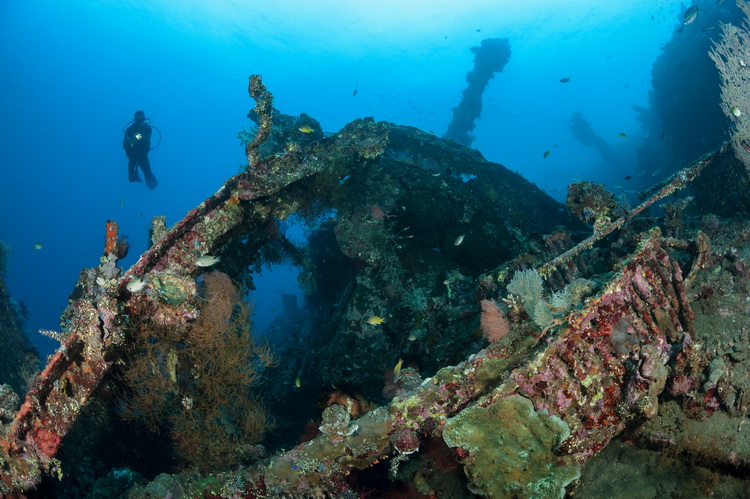
From the tangled mess that is the mid-ship mangle you will find the main hold. This is a really interesting and atmospheric area. And, being a hold, there is a lot of space to explore. Which in the right light makes for some really interesting photography!
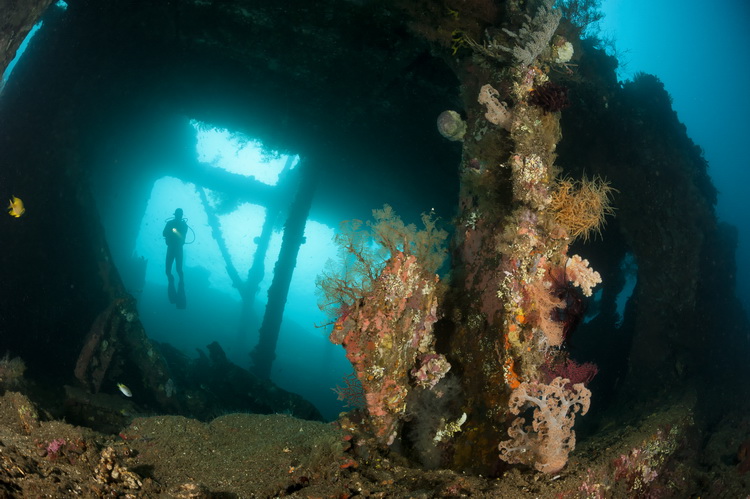
There is a lot to take in around the mid-section of the Liberty wreck. Although it really is quite scrambled and tangled… But in among all that is a wonderful selection of marine life that has made its home among the mess!
You could literally spend hours exploring it all! But there’s more… and further down the slope at around 30m lies even more debris scattered on the sandy bottom.
The Liberty Wreck – The Bow
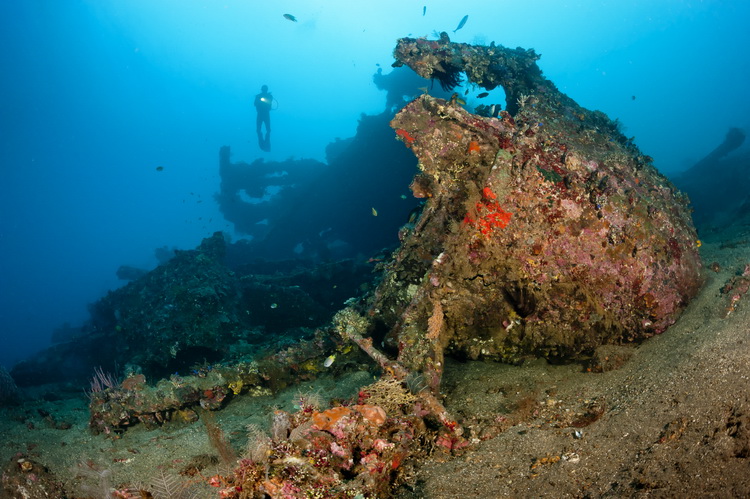
Continuing on from the mid-ship mangle will bring you to a relatively open area. This is the remains of the front hold, just before the bow section of the Liberty wreck. The actual bow is still intact, easily recognizable and makes this area of the wreck most resemble an actual shipwreck…
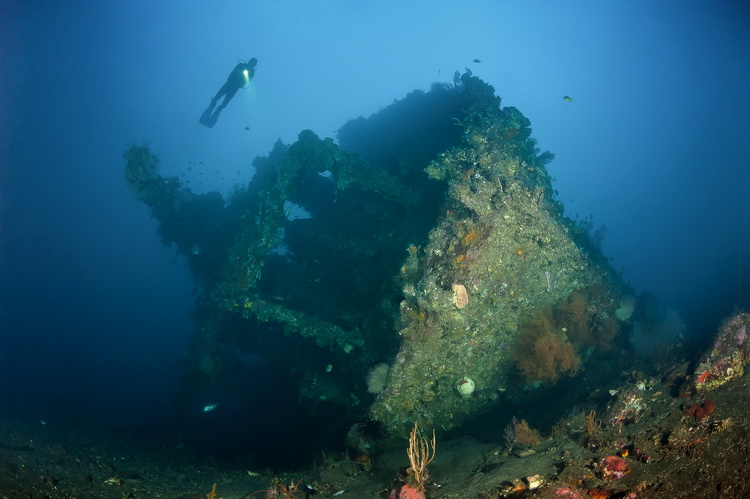
There are several overhangs and swim-throughs around the bow plus the mast and loading booms lay in the sand. But, besides the bow itself the other special feature is the bow gun which is still attached to its mounting. But it’s usually a double-take on the gun because it is well hidden beneath a barrel sponge and plenty of soft corals.
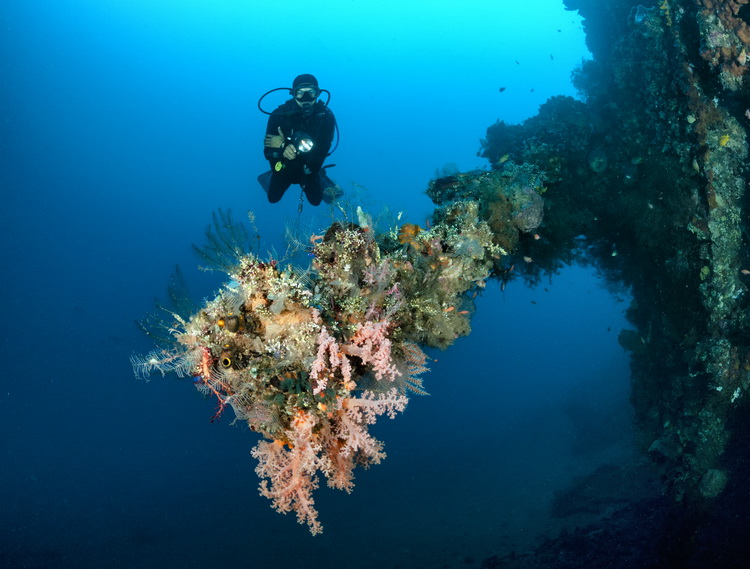
The bow area of the Liberty wreck is probably my favorite part of the overall site. Mainly because of the impression it makes when you descend to the sea floor, near the anchor chain. From there you can look back and take in the shape of the bow and all that it means.
But you are at 30m at that point. And, after traversing the length of the wreck, you will almost certainly be running low on both bottom time and air… So, unless you have made a dedicated dive on the bow you will have limited time in the area.
The great thing about the location of the Liberty wreck, and what makes it so dive-able, is that it is always quite easy to return to shallower waters. All you have to do is head up the slope towards the beach. With the worst case being that you may have to walk down back the beach to the main entry point.
The Liberty Wreck – In Summary…
When it was first dived back in the late 1970’s by those early Indonesian pioneers, the USAT Liberty had been underwater for about 15 years. It was already a rusting hulk when the tremors from Mount Agung rolled it down the slope in 1963. Sitting on a salty beach in the hot Indonesian equatorial sun for 21 years it hardly conducive to longevity…
But in those 15 years beneath the surface the rich waters of the Indonesian Throughflow turned the Liberty in to something really very special! There are no real photographic records of just how good it was back then – simply word of mouth. However if we just go back 6 to 8 years using my images and then dive it now, it’s fair to say we would be shocked.
The incredible growth of delicate hard corals, beautiful soft corals and superb sea-fans all over the Liberty wreck was what made it really stand out. Sadly, most of those of that growth has been destroyed by the hordes of divers who come to get the wreck in their logbooks… But the incredible ecosystem that is the Liberty wreck remains intact, with the underlying bio-diversity as strong as ever.
So, to answer my initial question, how good is it? Well the answer is still the same – depends what you are looking for… If your goal is amazing wide-angle wreck images, then you will probably be a bit dissapointed. Basically, you should have been there 8 years ago! But if you like the smaller things underwater, then you will love the Liberty wreck!
The Liberty Wreck – When to Dive It
The very best time of year to dive the Liberty wreck is in October and November. After the southeast (dry season) monsoon has ended, but before the northwest one (wet season) has begun. Generally, during this two-month window, the conditions are at their calmest and the diving is at its best.
Then the northwest monsoon starts in December – going through to early April. And strong winds together with rough seas happen a lot during the wet season…
From May through to about mid July, after the wet season has finished, is also generally very good. But from the end of July through to early September the high winds and rough seas return!
Then around the end of September the conditions start to improve again leading in to that optimum two-month window.