
Port Moresby Dive Sites… The city is located on a headland overlooking the superb natural anchorage of Fairfax Harbor.
And enjoys excellent access to the rich waters and multiple dive sites of the surrounding area.
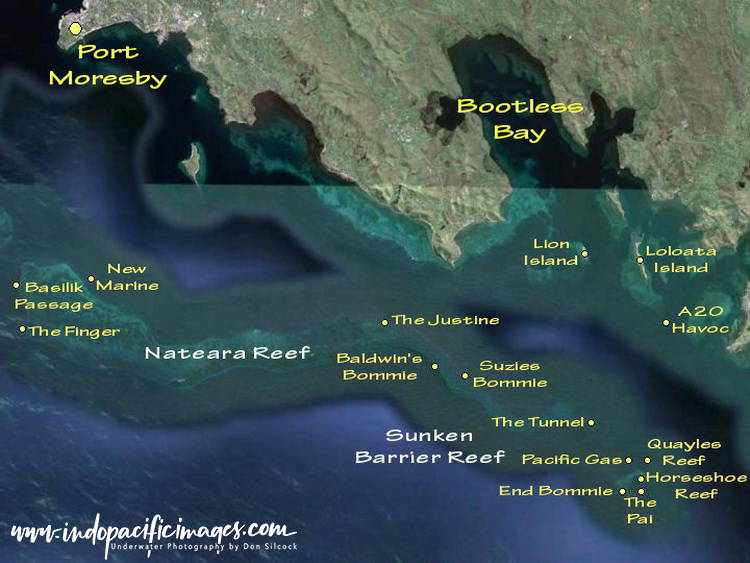
There are several sites in Fairfax Harbor itself, but the main ones are in the area of the offshore Sinavi and Nateara reefs together with the sunken barrier reef.
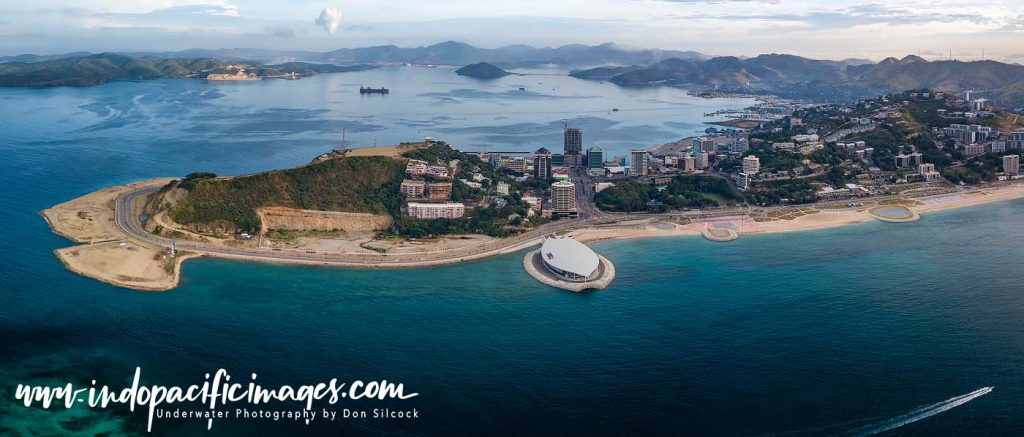
Port Moresby Dive Sites – Bootless Bay
The sites in Bootless Bay are usually dived in the afternoon when the winds get stronger, making diving out on the offshore reefs quite difficult. Lion Island has a small wreck called the MV Tuart which has lots of critters and a good selection of macro subjects generally. But don’t bother taking a wide-angle lens as the visibility is rarely great…

Port Moresby Dive Sites – The Offshore Reefs
The offshore sites around the Nateara and Sunken Barrier Reefs, together with the much smaller Horseshoe and Quayles reefs, offer some tremendous diving.
And when the conditions are at their best, they can rival some of the best sites almost anywhere in Papua New Guinea.
However, they are very much exposed to the elements…
Specifically the monsoonal weather patterns and the New Guinea Coastal Undercurrent – as explained on the PNG Marine Diversity page.
The Coastal Undercurrent brings the nutrient rich waters from the deep trenches of the Pacific Ocean. It is basically the reason why the offshore sites are so rich and bio-diverse.
It also explains why those sites on the outer side of the reefs are richer than the ones on the inside because, in very simple terms, they are fed first…
The Offshore Reefs – Suzie’s Bommie
There are a couple of absolute stand-out sites on the offshore reefs… The first is Suzie’s Bommie, a sea-mount on the Sunken Barrier Reef that rises up from the sandy seabed at 30m.
The top of the seamount is at 13m and when the conditions are right, Suzie’s really is world class diving! It hosts a pristine example of a reef ecosystem capable of sustaining an amazing array of creatures.
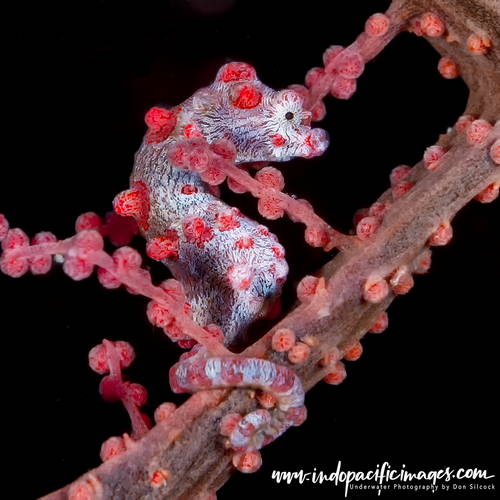
Those creatures range from the tiny but incredibly photogenic pygmy seahorse. Which you will find hiding among the gorgonian sea fans on the side of the bommie.
To the shoals of schooling pelagics that hang in the blue above the bommie! The highlight of which are the incredible school of sweetlips that hang out right on the top of the reef.
Obviously they feel a degree of safety in numbers. And, if you wait patiently they will slowly approach you en-mass to the point where you could reach out and touch them!

The Offshore Reefs – The Pacific Gas
No discussion of the Port Moresby dive sites would be complete without mention of the Pacific Gas…
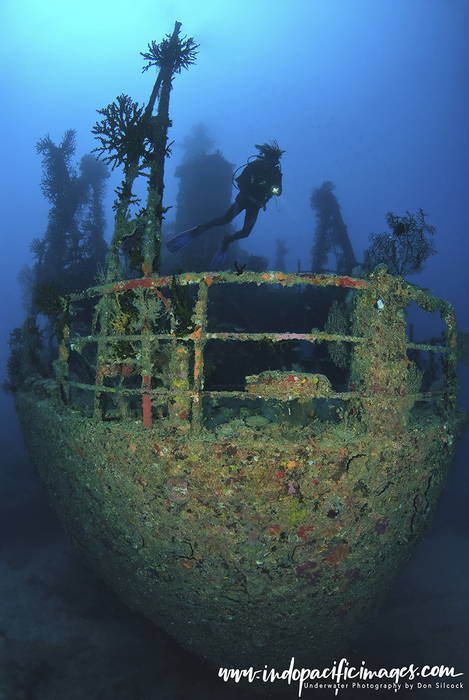
This wreck near Horseshoe Reef is one of the very best shipwrecks in Papua New Guinea and is very much a personal favorite!
It is such a special site that there are two dedicated pages on it. You can use this link to read about the story of the Pacific Gas and this link to read about diving the Pacific Gas.
Port Moresby – When to Go?
Papua New Guinea’s location just south of the equator, means that it is subject to the monsoonal seasons and weather patterns. What that means in the Port Moresby area, is that from May to October the winds blow from the southeast.
Then from around mid December through to March the predominant winds are from the northwest.
When the south-easterlies are blowing, the usual pattern is that overnight the prevailing winds subside and the morning brings fairly calm conditions.
But by around 11.00 the winds are back and starting to produce some heavy swells. Diving is still possible on the sites on the sheltered side of the reefs.
But it does not pay to linger too long as the ride back can be very bumpy…
Conditions are much better during the northwest monsoon season and the sites on the outer reef are much more accessible. But the optimum conditions are during the doldrum periods, particularly so in November and early December.
Back To: A Guide to Diving Port Moresby