
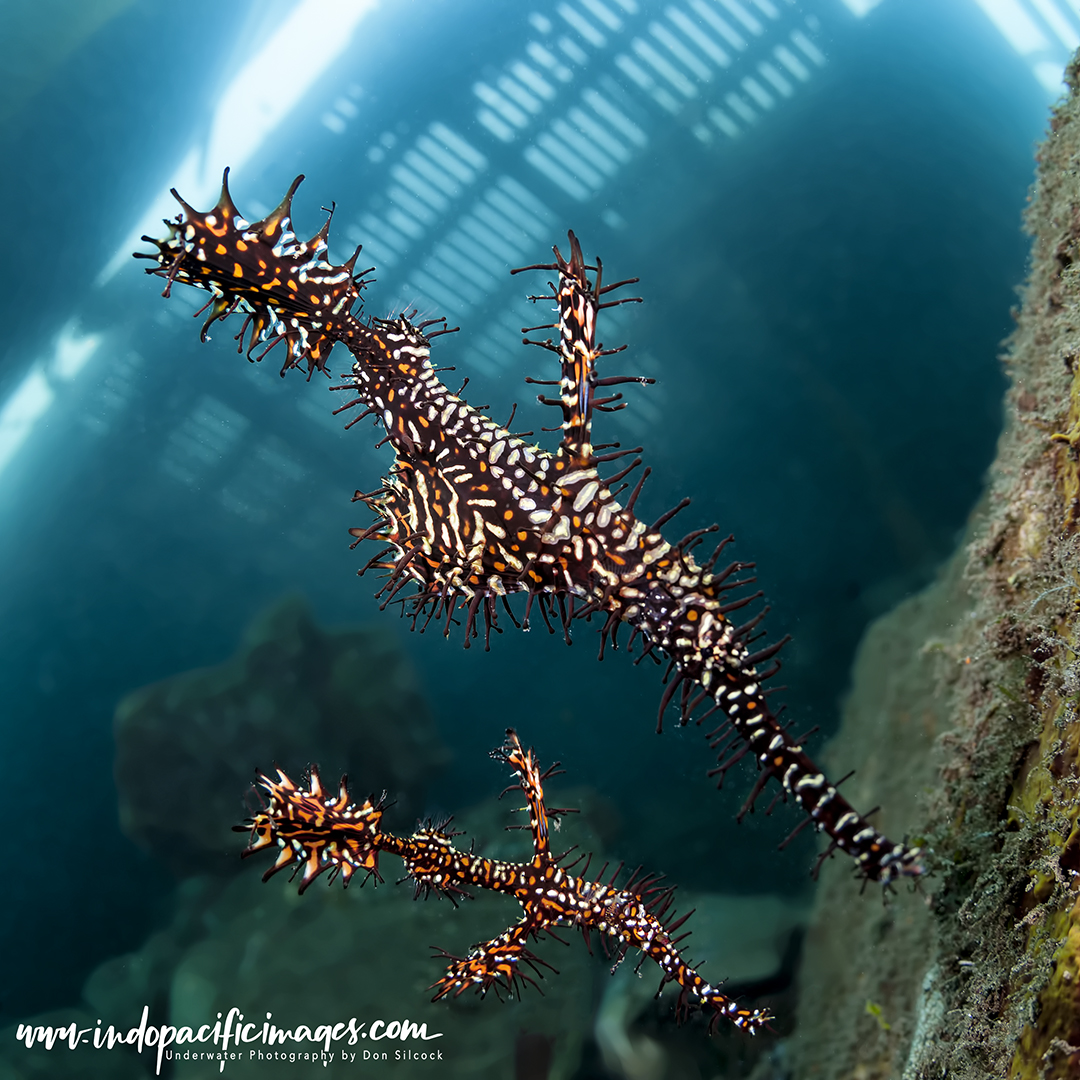
Tufi scuba diving offers a pretty special combination of options. Ranging from critter hunting in the accumulated flotsam and jetsam around the main wharf. To pristine offshore reefs that are rarely visited by anybody other than the resort’s guests.
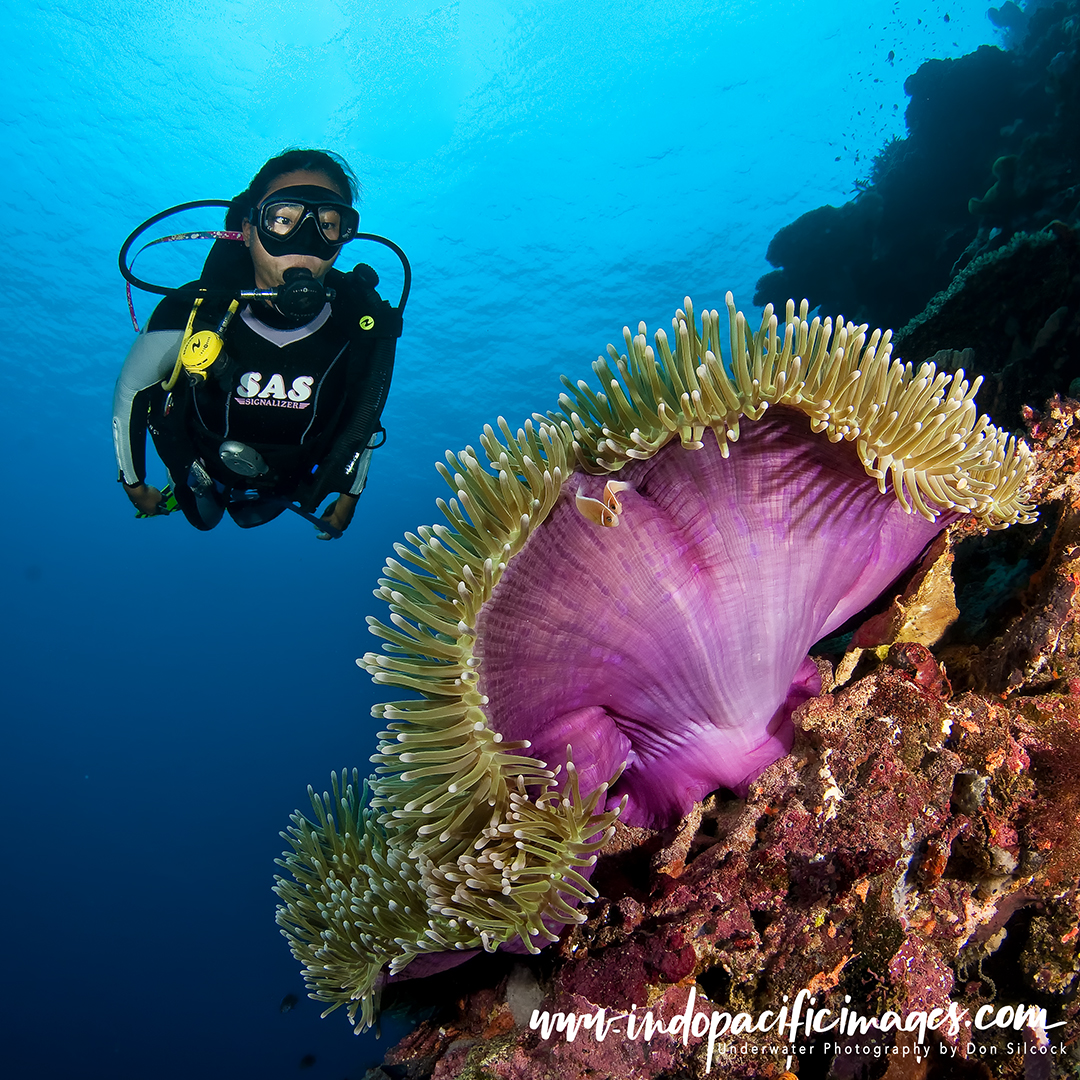
With some very interesting WWII wrecks and fjord sponge gardens in between. Finally there is the superb above water scenery and interesting local village culture. It’s easy to understand why Tufi is such a special place!
Tufi Scuba Diving – Why So Good?
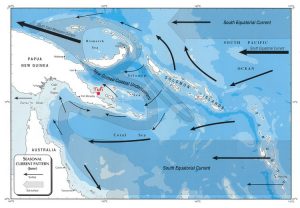
The north-east coast of the main island of New Guinea enjoys tremendous marine biodiversity because of the rich currents that run up and down the coastline with the seasons.
Tufi’s location at the eastern tip of Cape Nelson puts it right in the path of those currents.
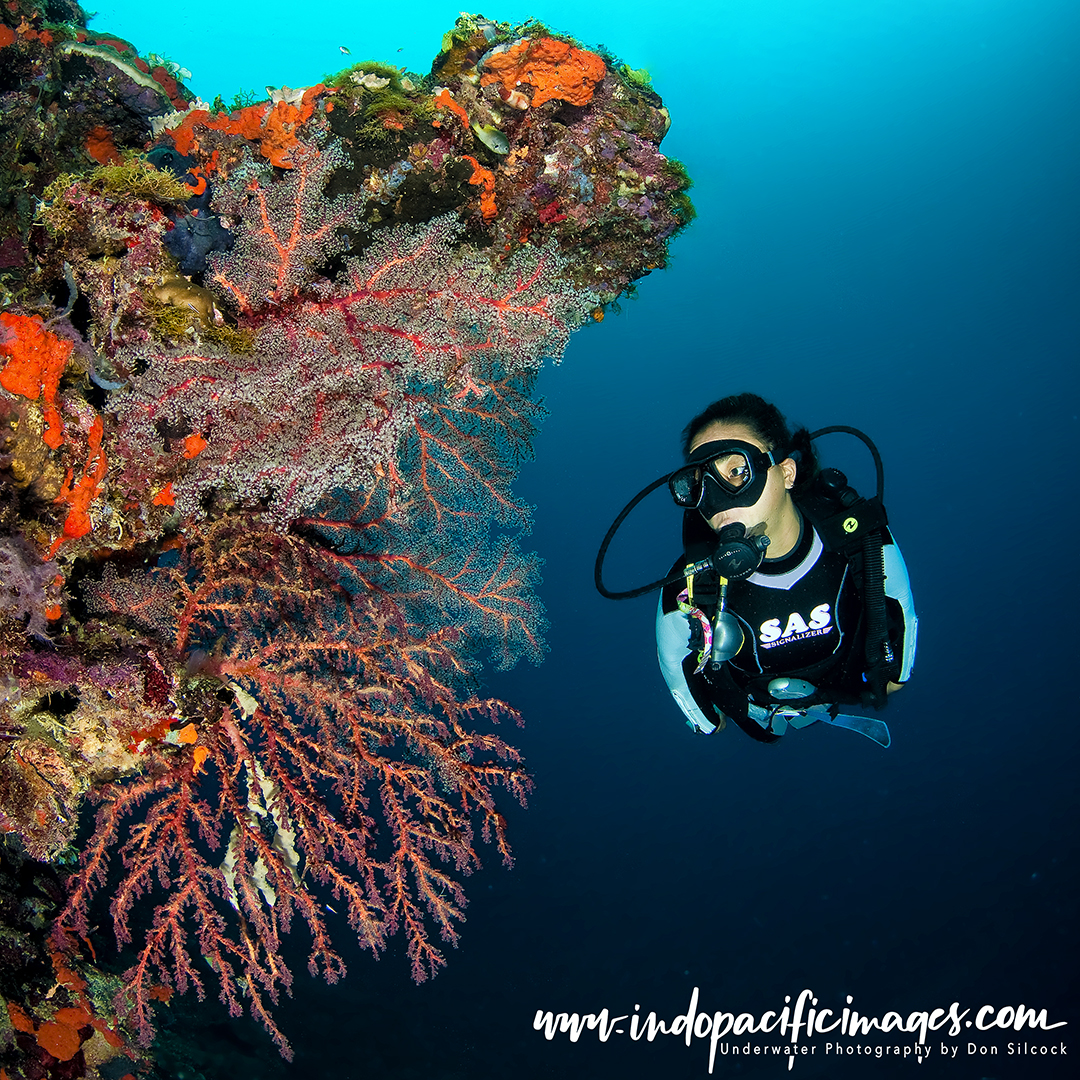
Which are the catalyst for the beautiful offshore reefs and the vibrant marine ecosystems in the area.
The New Guinea Coastal Undercurrent sweeps up the north-west coast of New Guinea during the southeast monsoon season. Bringing with it cold-water, rich in organic nutrients, from the deep-water basins of the Coral Sea to the south and Solomon Sea to the east.
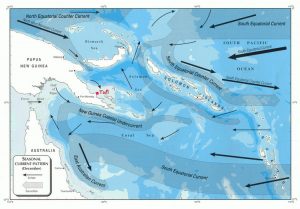
From December through to March each year, during the north-west monsoon (when the seasons reverse), the Northwest Monsoon Current flows down the coast.
That Monsoon Current brings with it the nutrient dense waters of the incredibly powerful force of nature called the Indonesian Throughflow.
The phenomenal flow of water from the Pacific Ocean in the north, to the Indian Ocean in the south.
Tufi Scuba Diving – Logistics
All diving at Tufi begins and ends at the dive shop. Which is loacted on the eastern side of the small bay that the dive resort and village overlooks.
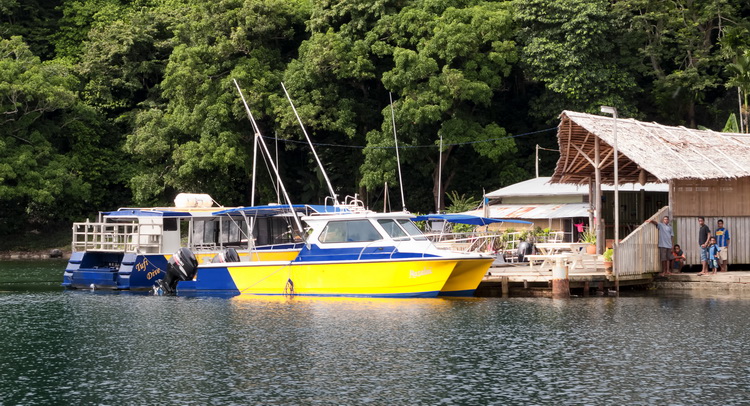
The dive shop has it’s own dedicated jetty next to the main public wharf. So you can either walk down the rather steep hill, or catch a lift from the resort’s Toyota Troop Carrier. Which is also the only vehicle in town…

Everything is well organized and the dive crew will have all your gear ready and loaded on the dive boat to be used that day.
A typical dive-day begins with breakfast around seven in the main lodge. The dive boat departs at about 8.30 and it takes between 30 to 50 minutes to get to the offshore dive sites, which vary in distance from 5 to 10 nautical miles offshore.
Two reef dives are the norm. But if everybody is in agreement and the weather conditions allow it. The crew will bring extra cylinders for a third dive.
Afternoon and night dives are usually conducted directly in front of the dive shop jetty in the fjord.
The Best Times to Dive Tufi
The best time to dive Tufi is in October and November. Which is the doldrum period between the trade wind seasons when the diving conditions both offshore and onshore are optimum. As a result there are calm and flat seas, great visibility and cooler water – which brings out the critters.
During the dry south-west monsoon season from May through to September the water in also clear due to the reduction in run-off but the winds can be strong, meaning it’s not always possible to get out to the offshore reefs.
The wet north-west monsoon from December to March brings calmer seas and means all the offshore reefs can be accessed – but the significant river run-off from the rains impact the visibility both on the offshore reefs and in the fiords, plus the rain increases the water temperature in the fiords which drives some of the critters deeper looking for cooler water.
Back To: The Complete Guide to Diving Tufi