
Diving Tufi Jetty… House reefs are a bit like next door neighbors. Nearly everybody has one but how much time do you really want to spend with them? So when I hear that the next dive is on the house reef, I usually take it to mean that the best diving is over for the day!
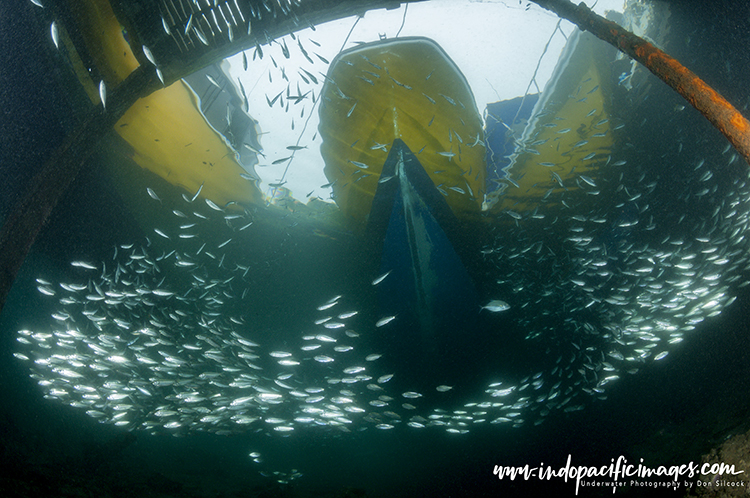
But the house reef at Tufi really is a great place to take your time and explore what is on offer. That said, it’s unlikely that your first impressions will be positive… As the general location has been the loading and unloading point for the settlement and the surrounding area for a very long time.
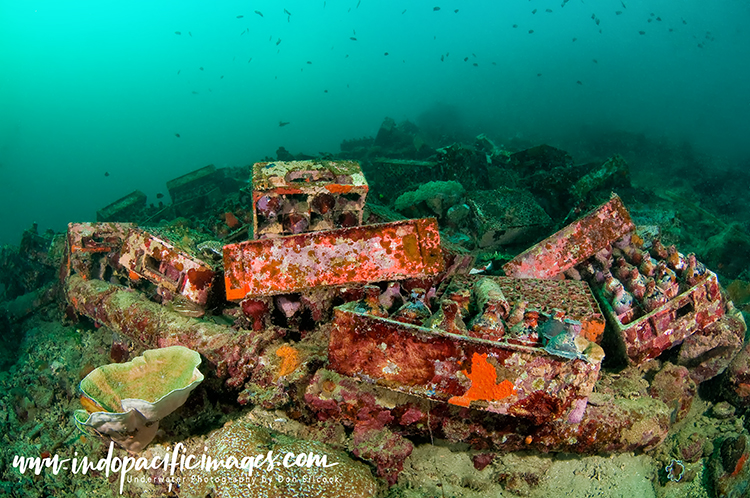
Scattered around are several decades of flotsam and jetsam and general rubbish. Plus there is a variety of WWII wreckage and debris.
Which dates back to 1943 when the fjord was a forward base for US Navy PT Boats.
Which means that the area in and around the two wharves is very much a muck dive. Commonly defined as a dive where there is simply no beautiful scenery.
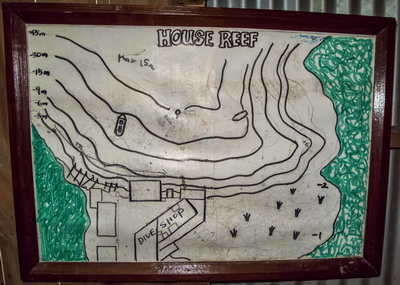
Physically located in the main Tufi fiord. The house reef consists of the area around the dive shop wharf, the nearby public wharf and the reefs that stretches out on either side.
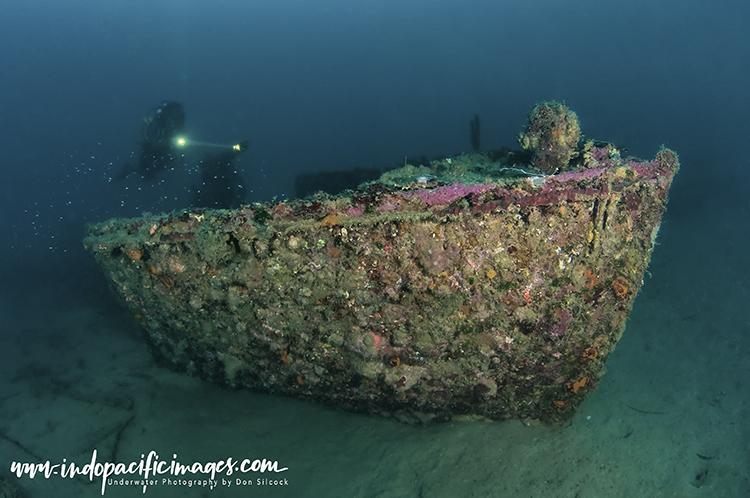
Two PT Boats were destroyed and sunk in a spectacular refueling accident while moored at the jetty in March 1943. Weckage from that incident can be found on the slopes of the fiord.
What is left of one of the boats lies nearby on the bottom of the fiord at a depth of nearly 50m.
Away from the wharfs there is a little bit of everything. From sea grass around the bay, to hard and soft corals and elephant ear sponges.
Tufi Jetty and House Reef – Critters
The area around the wharves is the great place to find critters. Particularly during the dry season from July to September. And also in the peak diving months of October and November, when the water is cooler, and the critters come up into shallow water.
As all dives start from the dive shop wharf. You can easily spend an hour or more poking around it and the nearby public wharf. In among all the rubbish and debris are the nooks, crannies and hiding places that critters love.
Although the sides of the fiord are fairly steep and go down well in excess of 50m. Most of the critters can be found quite shallow which usually means hunger, rather than lack of air or deco time, will get you to the surface.
My usual routine, if I am looking for critters, is to spend 10-15 minutes around the dive jetty wharf. Then head south to the public wharf and onwards to the wall areas that leads out from the small bay into the main fiord. Most of the critters and things to see are in less than 15m of water.
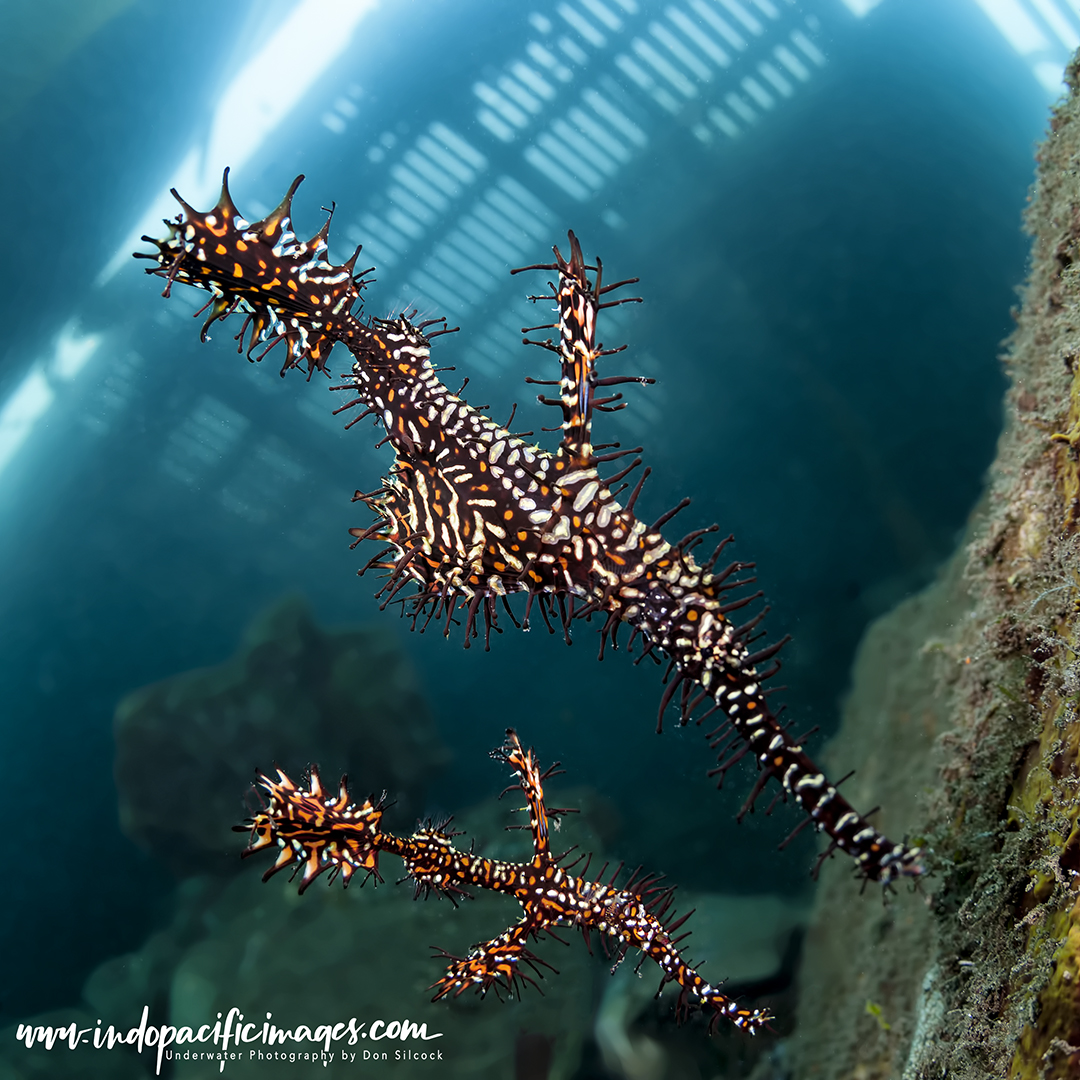
So it usually takes around 30 minutes or so to reach the point where the bay becomes the main fiord and it’s time to turn back. Along the way you will find pipefish, ornate and robust pipefish, dumpling squid, twin-spot gobies, crocodile fish and lots of nudibrachs!
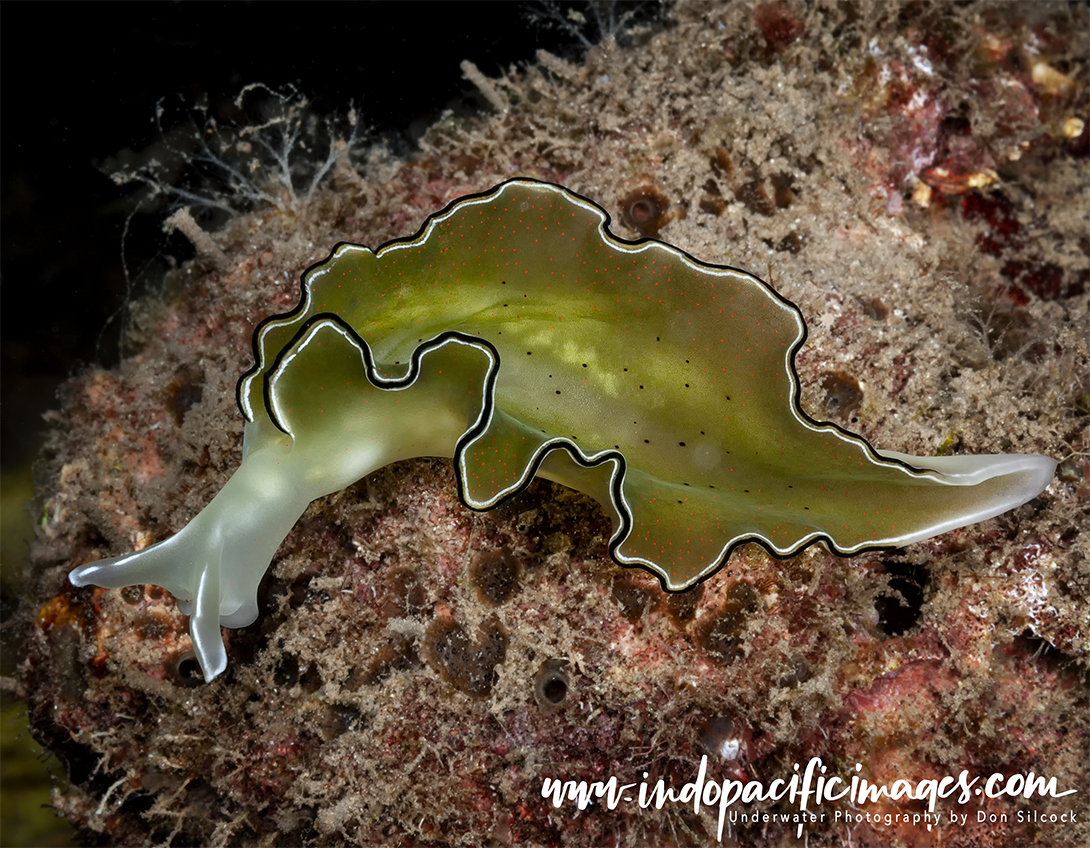
The Tufi guides know the area intimately and where to find the critters. So do ask for a guide if spotting is not your forte…
Tufi Jetty and House Reef – Golden Hour
The area to the north of the dive wharf, which forms a small bay, can be particularly good in the late afternoon.
As the sun goes down it creates a wonderful “Golden Hour” effect. As the sun’s rays hit the water at a shallow angle and create cathedral lighting underwater.
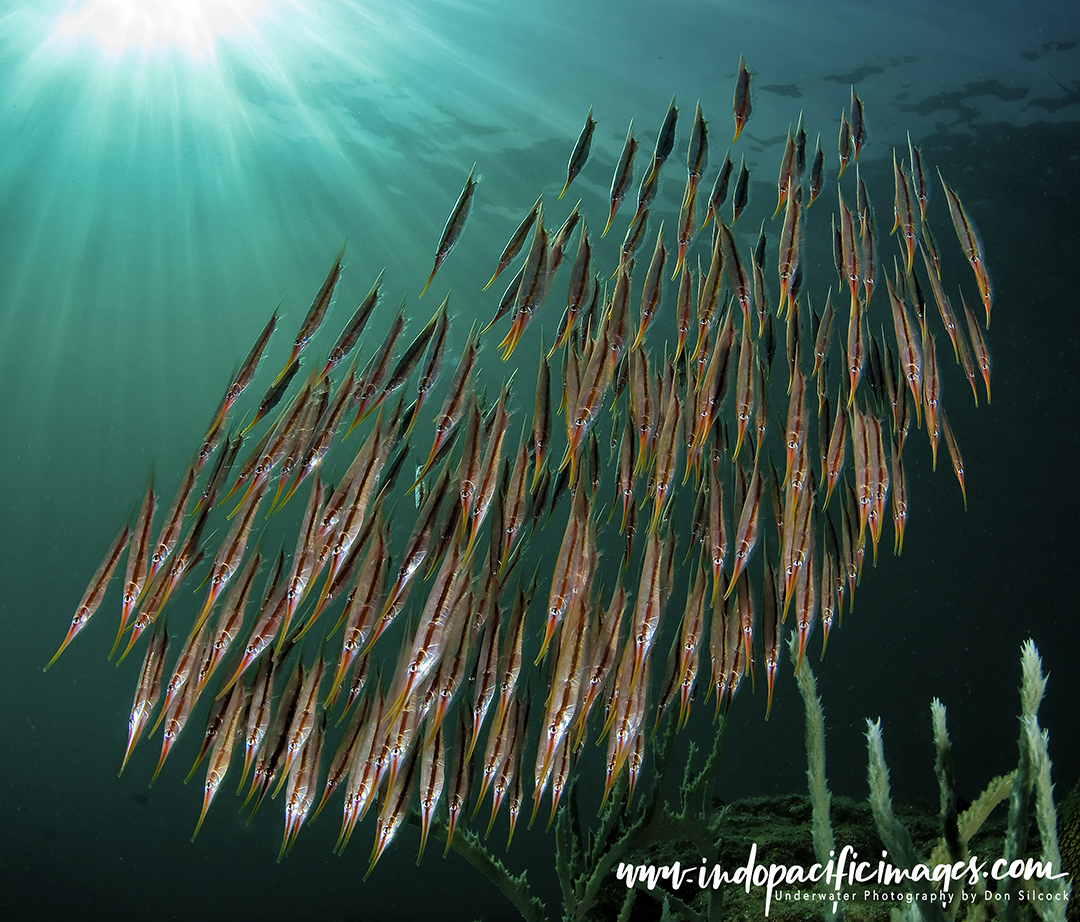
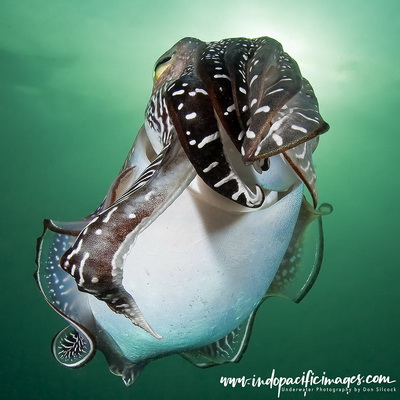 When I know the conditions are right. I set up a wide-angle lens on my camera and head for the area to see what I can find.
If you are lucky you may get some quality time with the resident school of razor fish.
And there is also cooperative cuttlefish that hangs out in the area!
The water depth in that area is in less than 6m.
So it’s a great place to head at the end of the dive and let the nitrogen release.
Particularly so if you have been deep to see the PT Boats.
Further round on the eastern side of the bay there is a nice hard coral reef with a lot of fish life. But you need to dive this area in the morning to see it at it’s best as it’s usually in the shade of the ridge in the afternoon.
Tufi Jetty and House Reef – Night Dives
Most night dives at Tufi are conducted from the dive jetty. Which after dark becomes even more of a “target-rich environment”. As many of the critters that were asleep during the day come out to feed.
The area to the south of the wharves also takes on a different persona at night. There is also much to see there that you won’t see during the day.
I always make a point of calling at the resident pair of clown fish on the slope at about 12m. Checking to see them tucked up for the night behind the mucus membrane that acts as an early warning trigger in case a predator tries to sneak up on them in the dark.
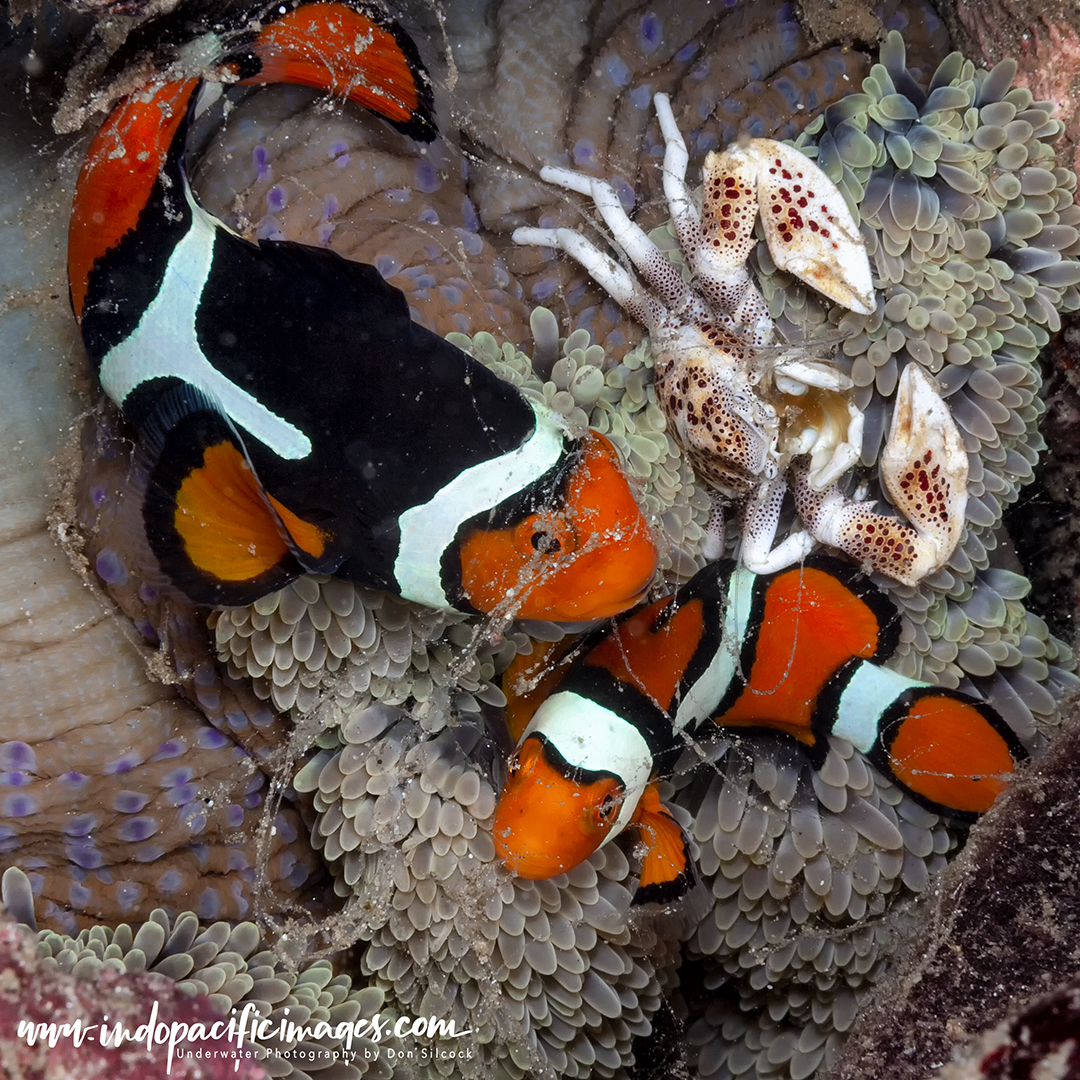
I have often seen the porcelain crab, that usually hides under the skirt of the anemone during the day, tucked up with them!
Back To: The Complete Guide to Diving Tufi